If you are thinking about buying a rental in Prince George’s County, the numbers need to work on more than just paper. A property can look promising at first glance, then lose momentum once you factor in vacancy, licensing, taxes, and rent limits. The good news is that with the right framework, you can evaluate opportunities more clearly and avoid costly assumptions. Let’s dive in.
Why Prince George’s County draws investors
Prince George’s County offers a large housing base and a meaningful renter population. According to the county’s 2024 ACS profile, there were 371,167 housing units, 353,909 occupied units, and 37.1% of occupied units were renter-occupied. That creates a broad rental market, but not one where you can skip careful underwriting.
The same 2024 ACS county profile shows a 5.6% rental vacancy rate and a median gross rent of $1,791. In practical terms, that means demand is real, but vacancy still needs to be budgeted. You should plan for downtime between tenants instead of assuming uninterrupted rent.
Another important signal is affordability pressure. Maryland Planning reports that 57.8% of renter households spent 30% or more of income on rent and utilities in 2024. That does not automatically mean rents cannot rise, but it does mean your pricing strategy should be grounded in the market rather than optimism.
Start with the right property type
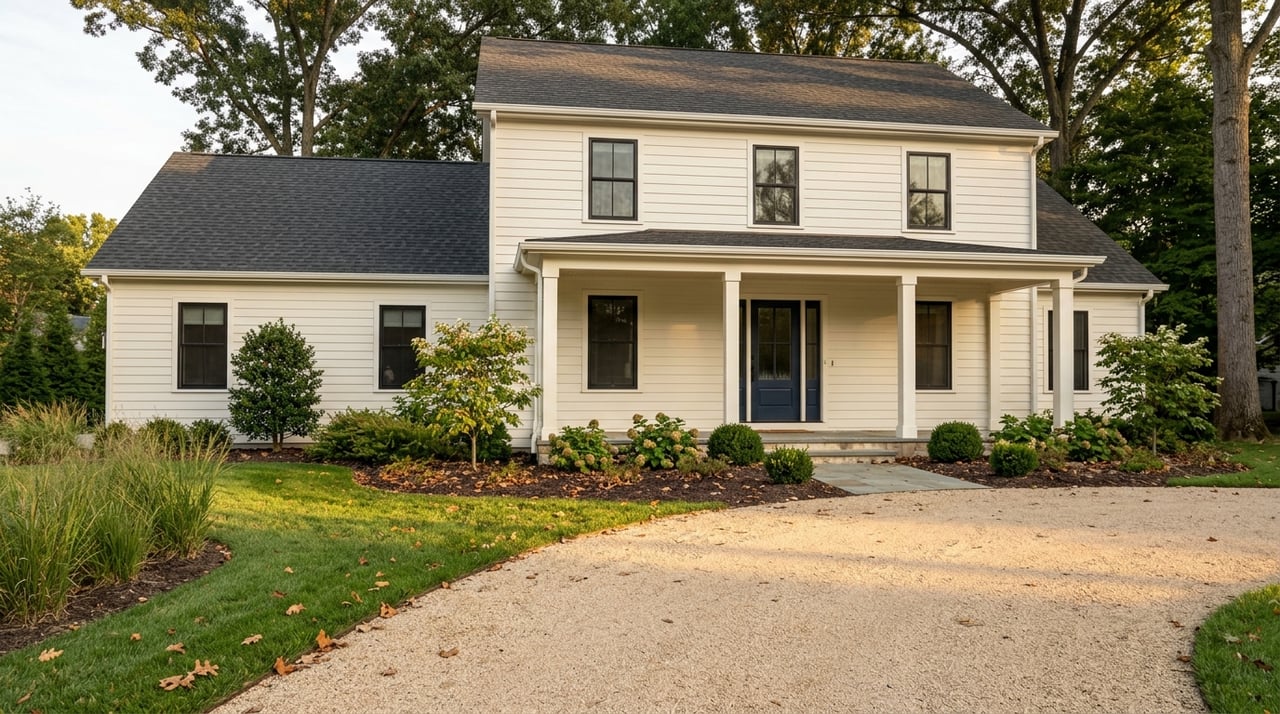
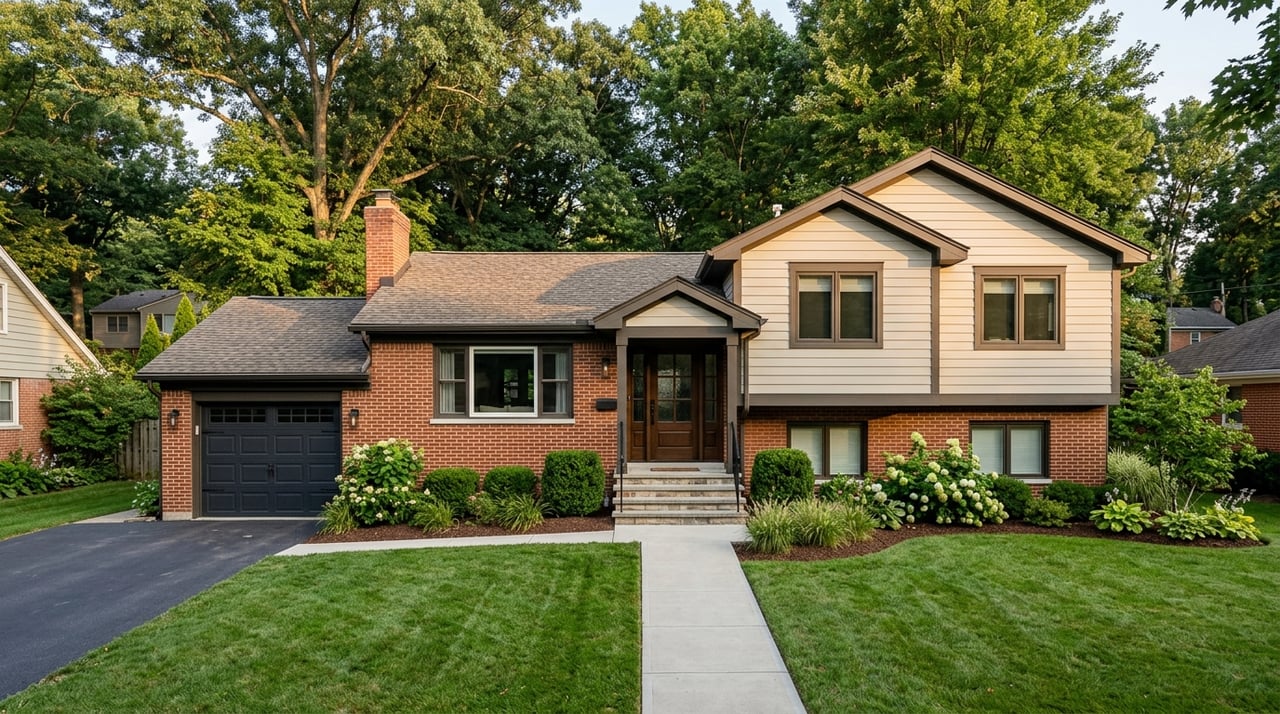
One of the biggest mistakes small investors make is treating every property type the same. In Prince George’s County, the housing stock leans heavily toward owner-style homes, which matters when you are deciding what kind of rental is most practical.
The county profile shows that 49.2% of housing units are 1-unit detached and 17.1% are 1-unit attached. Smaller multifamily properties exist, but in much lower shares, including 1.1% in 2-unit structures and 1.8% in 3-4-unit structures. That makes townhomes and detached homes some of the most relevant property types for many small investors and accidental landlords.
Bedroom count matters too. The same ACS data shows that 30.4% of units have 3 bedrooms and 23.1% have 4 bedrooms. If you are evaluating a house or townhome, this matters because family-sized layouts are common in the county’s inventory and may align better with what local renters are already looking for.
Use rent benchmarks carefully
When you estimate income, broad rent assumptions can get you into trouble fast. Countywide data is useful, but it should be the start of your analysis, not the finish line.
According to the 2024 ACS data for Prince George’s County, rent levels cluster in the mid-range:
- 19.4% of renter households paid $1,000 to $1,499
- 41.2% paid $1,500 to $1,999
- 19.6% paid $2,000 to $2,499
- 6.8% paid $3,000 or more
That gives you a useful baseline, especially if you are stress-testing cash flow. Still, the county is not one flat rental market. Rent potential can vary meaningfully by ZIP code, unit size, and property condition.
A second benchmark comes from the county’s Small Area Fair Market Rent payment standards, effective January 1, 2026. On that page, 1-bedroom standards range from $1,617 in ZIP 20712 to $3,223 in ZIP 20720, and 2-bedroom standards range from $1,804 to $3,597. The county also notes that these maximum limits include rent and utilities, and that rent still must be approved as reasonable.
If you use Fair Market Rent data in your analysis, remember what it is and what it is not. HUD defines Fair Market Rents as 40th percentile gross rents for standard-quality units. That makes FMR a helpful benchmark, but not a substitute for looking at actual comparable rentals and lease-up conditions.
Budget vacancy like it is real
A rental property does not need to sit empty for long to affect your returns. Even one missed month can change your annual numbers more than many first-time investors expect.
Because the county’s rental vacancy rate is 5.6%, it makes sense to build a vacancy line into your pro forma. That is especially important if your margins are already tight after mortgage, taxes, insurance, and maintenance. If the deal only works with full occupancy every month, it may not be strong enough.
Affordability pressure matters here too. With a large share of renters already spending 30% or more of household income on rent and utilities, your pricing needs to reflect what the market can realistically support. A strategy based on aggressive rent growth may carry more risk than a strategy based on stable occupancy and solid reserves.
Know the local cost structure
Cash flow is about more than rent. Before you buy, make sure you understand the fixed costs that continue whether the unit is occupied or not.
One major line item is property tax. Prince George’s County’s FY2026 real property tax rate is $1.00 per $100 of assessed value. That needs to be in every rental analysis from day one.
You should also account for:
- Insurance n- HOA or condo fees, if applicable
- Maintenance and repairs
- Turnover costs
- Utilities you may cover
- Property management, if you plan to outsource
- Capital reserves for larger repairs and replacements
Older housing stock deserves extra attention. Since newer inventory is a minority of the county’s housing supply, some homes may require more upfront work or ongoing maintenance than expected. If a property needs updates, make sure your renovation budget and timeline are realistic.
Check licensing before you count income
In Prince George’s County, a rental property is not just a financial decision. It is also a compliance decision.
The county states that a single-family rental property must have a valid rental license. The fee schedule lists a single-family house or townhouse rental license fee of $152 biannual. The county also requires housing code compliance and inspection, and says licenses will not be issued if there are life-safety violations or unpermitted construction or conversion.
This is where due diligence becomes very practical. If you are buying a home that was altered without permits, or if its layout suggests multiple units, you need to verify whether the current use is legal. The county also notes that a use and occupancy permit is required for spaces with two or more separate dwelling units, and some municipalities are licensed outside county jurisdiction.
Understand rent stabilization rules
For long-term investors, rent regulation can change how you forecast future income. Prince George’s County’s Permanent Rent Stabilization and Protection Act of 2024 is an important part of that picture.
The county says the law limits annual increases for regulated units, with a 5.7% cap for regulated non-senior units from July 1, 2025 through June 30, 2026, and a 2.7% cap for age-restricted senior housing during that same period. That matters if your long-term hold strategy depends on steady annual rent increases.
Just as important, the county lists several exemptions. These include units completed on or after January 1, 2000, accessory dwelling units, condos, co-ops, and many rental units owned by landlords with five or fewer units in the county, if other conditions are met. The county also says regulations are still being drafted and advises landlords to consult legal experts, so you should confirm how the rules apply to any property you are considering.
Evaluate each deal with a simple checklist
When you are comparing rental opportunities in Prince George’s County, it helps to use the same set of questions every time. That keeps emotions out of the early screening process and gives you a clearer yes, no, or maybe.
Here is a practical checklist:
What is the property’s legal use today?
Is it a single-family rental, condo, duplex, ADU, or small multifamily property?Is the property inside a municipality with its own rules?
Some municipalities handle licensing outside county jurisdiction.What rent is truly supportable?
Use county rent bands and local benchmarks, then compare them against the property’s size, condition, and location.What fixed costs continue during vacancy?
Include taxes, insurance, fees, licensing, utilities, maintenance, and reserves.Is the property subject to rent stabilization?
Confirm whether the unit is regulated or exempt under current county rules.How much vacancy can the deal handle?
If one vacancy period causes major strain, the investment may be too fragile.Could an accessory unit become part of the long-term plan?
The county’s Accessory Dwelling Units Task Force page notes that Maryland’s 2025 ADU law requires local implementation by October 1, 2026. That may matter if you are evaluating future flexibility.
A steady approach usually wins
The best rental investments in Prince George’s County are not always the ones with the most exciting headline numbers. Often, they are the properties where rent expectations are reasonable, expenses are fully accounted for, compliance is clear, and the home fits what the local market already supports.
If you want help thinking through a Prince George’s County rental purchase, pricing the real risks, or comparing one opportunity against another, Melissa Davey offers the kind of calm, practical guidance that helps you make confident decisions.
FAQs
What rent range should you expect for a rental property in Prince George’s County?
- Countywide ACS data shows a median gross rent of $1,791, with many renter households paying between $1,500 and $1,999, but actual rent depends on the property’s size, condition, and ZIP code.
What property types are most common for rentals in Prince George’s County?
- Prince George’s County housing stock is weighted toward detached homes and attached homes, so townhomes and single-family houses are often the first property types small investors evaluate.
What vacancy rate should you plan for in Prince George’s County?
- The county’s 5.6% rental vacancy rate is a useful reminder to include vacancy in your underwriting rather than assuming full occupancy all year.
What licensing does a Prince George’s County rental property need?
- The county says a single-family rental property must have a valid rental license, and licensing also depends on inspections, code compliance, and whether the address falls under county or municipal jurisdiction.
What should you know about rent stabilization in Prince George’s County?
- The county’s PRSA limits annual increases for regulated units, but some properties, including certain newer units, ADUs, condos, co-ops, and some small landlords’ units, may be exempt if they meet the county’s conditions.
What expenses matter most when evaluating rental property potential in Prince George’s County?
- Key costs include property taxes, insurance, maintenance, utilities, licensing, inspections, HOA or condo fees, management, and reserves, all of which should be included before you estimate cash flow.